

Successful learning initiatives demand structured planning, stakeholder alignment, and disciplined execution.
Ensuring every learning initiative is positioned for success.
Through a well structured Project Management approach, I evaluate project readiness, clarify expectations, and assign work based on capacity, expertise, and complexity to maintain efficiency across the team.
Consistent project planning and reporting practices provide visibility into progress, risks, and outcomes—empowering stakeholders to make informed decisions with confidence. The result is a streamlined project lifecycle that reduces rework, strengthens collaboration, and delivers measurable impact.
Core Skills
Stakeholder & Cross-Functional Collaboration
Resource Allocation & Workload Management
Learning Needs Analysis
Timeline & Milestone Tracking
Performance Measurement & Reporting
Quality Assurance & Compliance
Curriculum & Content Oversight
Project Intake & Assignment
Vendor & Budget Oversight
Project Planning
Effective instructional design requires more than creativity—it demands disciplined project execution.
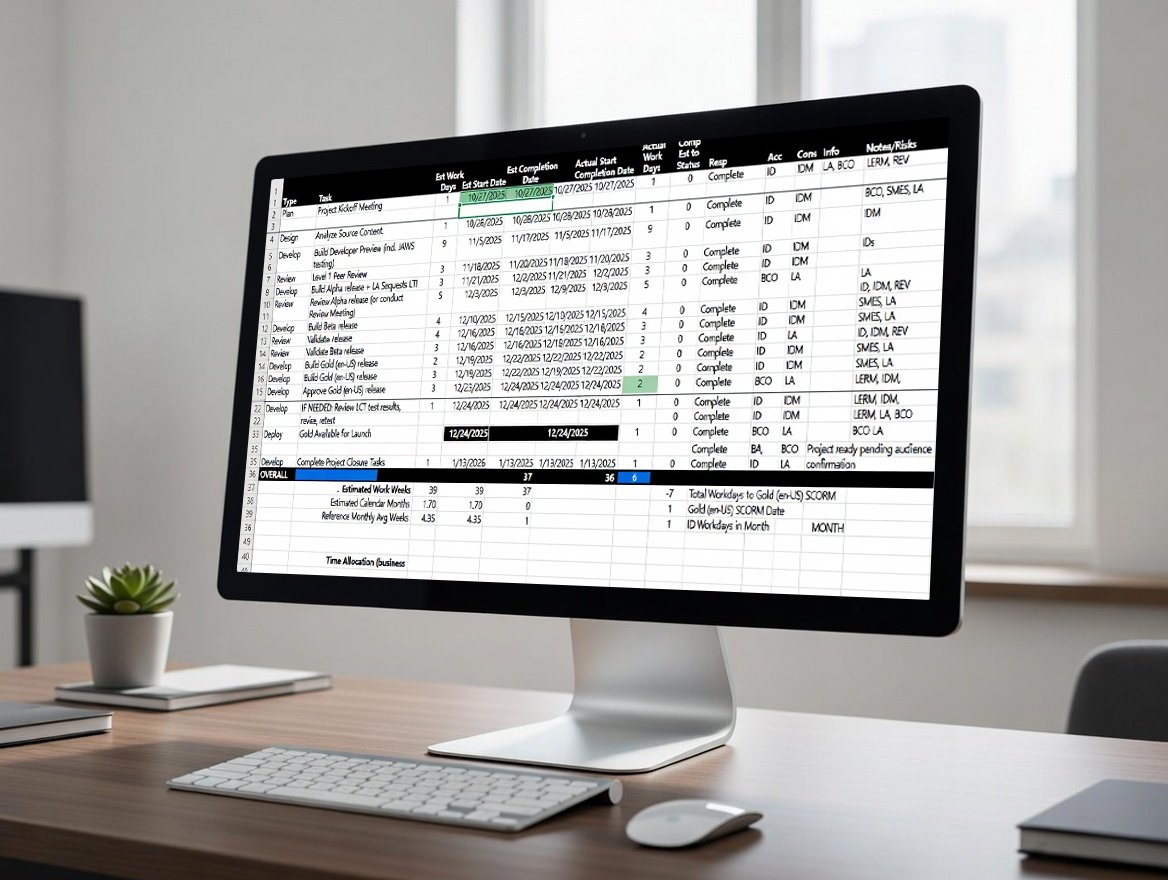
Actual example of my Project Planning structure
I develop and manage comprehensive project plans that map the full lifecycle of each initiative, from discovery through final delivery. These plans outline key milestones, development phases, review cycles, and launch targets, providing stakeholders with complete visibility into scope, timelines, and progress.
Each project plan incorporates clearly defined RACI structures to establish ownership and accountability at every stage, along with formal sign-off checkpoints to protect quality and alignment. Because the framework is built to dynamically adjust timelines, any shift in scope or review cycles automatically cascades through the schedule, preserving realistic completion forecasts and reducing risk.

Real Testimonial
Rocky was instrumental to the success of our Global Anti-Harassment training, which is one of the most visible and critical training projects that could not fail. This training is deployed to 250,000+ employees and non-employees at Citi. Now that we have an internally built version of this training, Citi will save $150K+ every year on vendor costs. Congratulations and thank you for your contributions to this project!
— Rosalie L.
Project Intake and Assignment
Structured consultation that captures essential details including business objectives, learner needs, stakeholder contacts, timelines, and subject matter expertise.
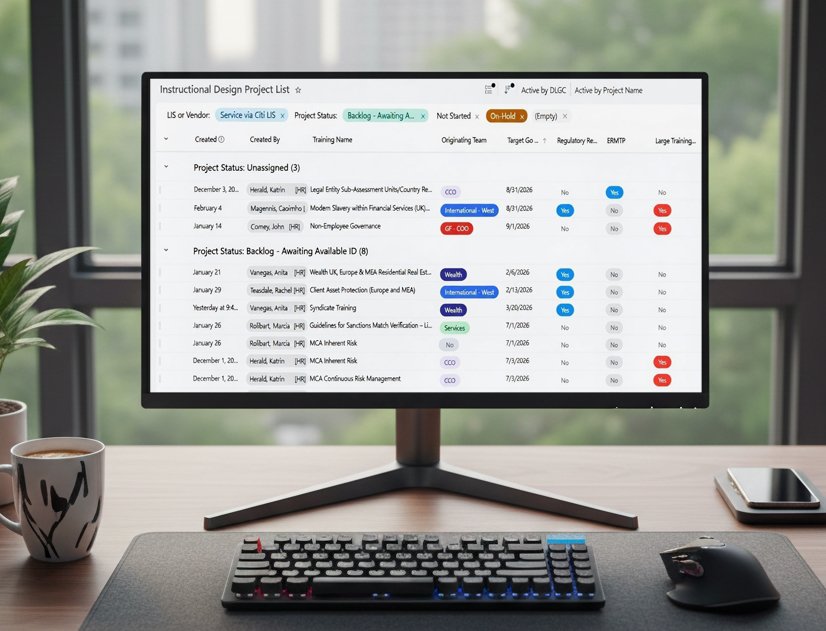
Actual example of my Project Intake & Assignment structure
Every project I manage begins with a disciplined and thoughtfully structured intake process. This ensures clarity from the outset and creates alignment between client expectations, instructional strategy, and learner outcomes.
Each request is carefully reviewed against defined intake criteria to determine readiness for development, reducing ambiguity and preventing costly rework later in the lifecycle.
Once validated, I strategically assign projects based on scope, complexity, designer capacity, and expertise—ensuring balanced workloads and efficient production. This intentional intake and delegation process establishes strong communication channels, accelerates development timelines, and positions every project for measurable success.
Reporting
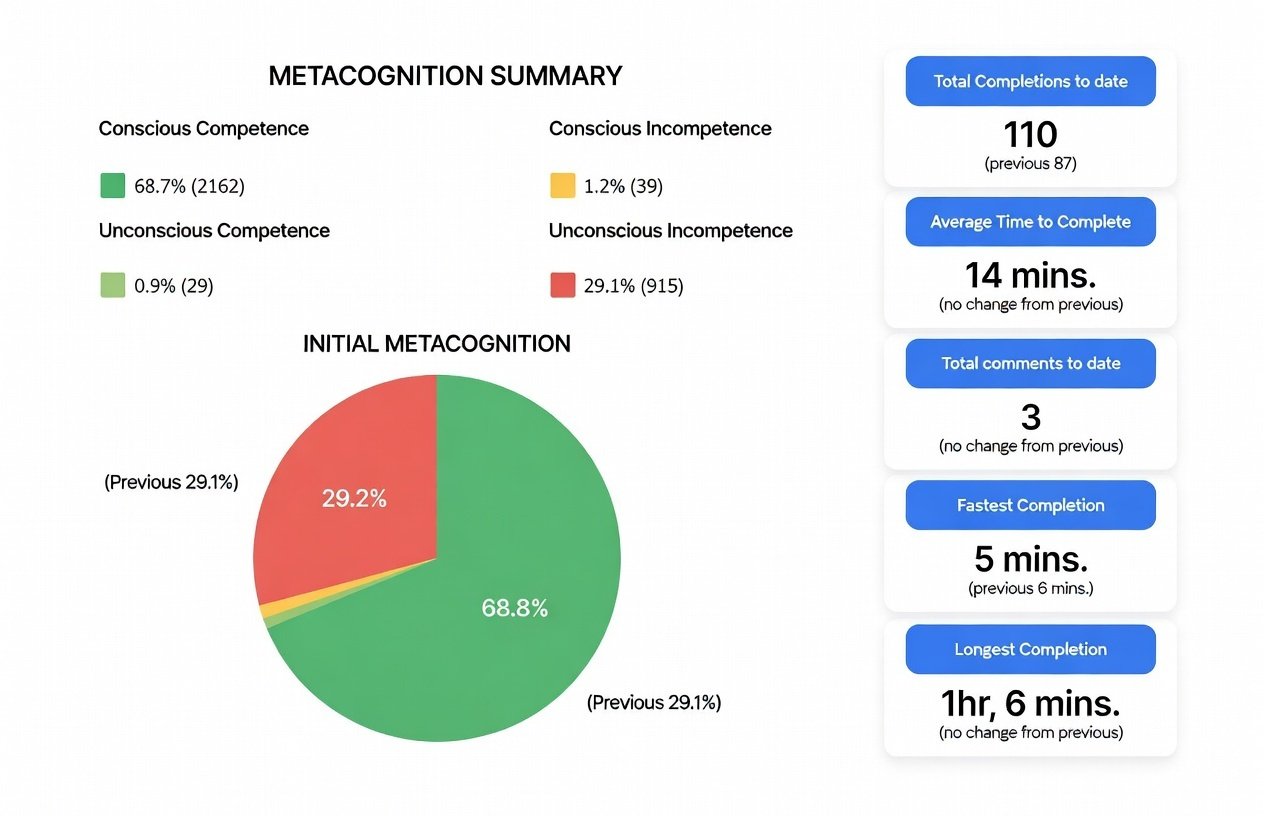
Reporting that provides clear visibility into performance, progress, and impact.
Actual example of my many Reporting structures
By translating complex project data into concise, executive-ready reporting, I support informed decision-making and proactive course correction.
My approach emphasizes transparency, KPI alignment, and data integrity to ensure every initiative remains tied to defined business objectives.
Through consistent reporting rhythms and performance tracking, I help organizations move from reactive oversight to strategic, results-driven execution.
Tools I use in my Project Management:

Microsoft SharePoint

Microsoft Word

Microsoft PowerPoint

Microsoft Excel

Microsoft Outlook

Microsoft Teams

Microsoft OneDrive

Zoom